9
Nov
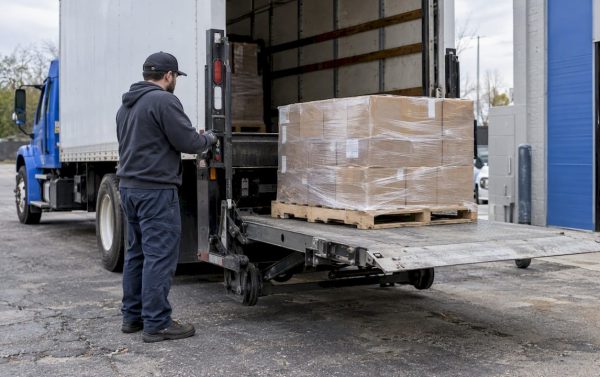
Liftgate Delivery Meaning: What It Is, Costs and When You Need It
Liftgate delivery means a truck’s hydraulic platform lowers your freight to the ground. Learn when you need it, what it costs, and how it differs from a forklift.

Liftgate delivery means a truck’s hydraulic platform lowers your freight to the ground. Learn when you need it, what it costs, and how it differs from a forklift.
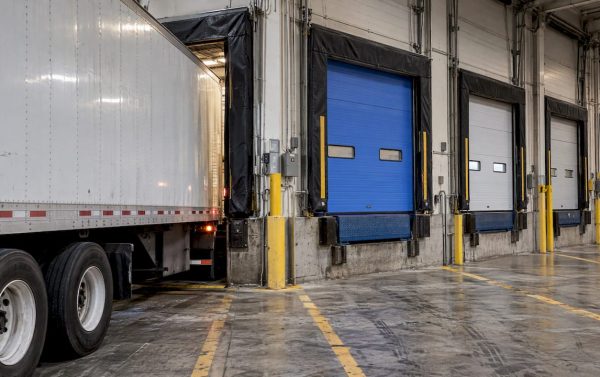
Dock scheduling best practices for US warehouses: set slot rules, handle late and early trucks, cut waits, and track the KPIs that show the schedule works.

See how the freight forwarding process works step by step, from quote and booking to customs and delivery, plus how to pick a forwarder and set 3PL SLAs.
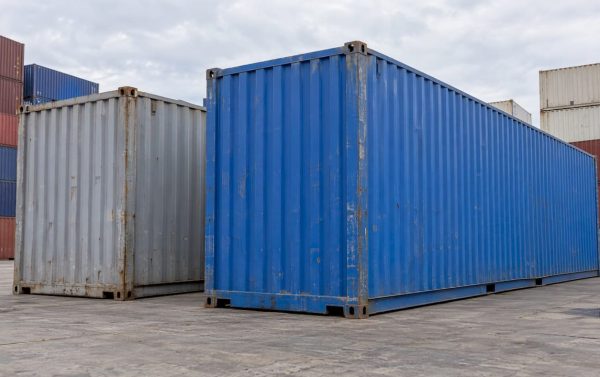
Compare dry, high cube, reefer, open top, flat rack and tank containers, with 20ft vs 40ft dimensions, pallet counts and the CBM formula.
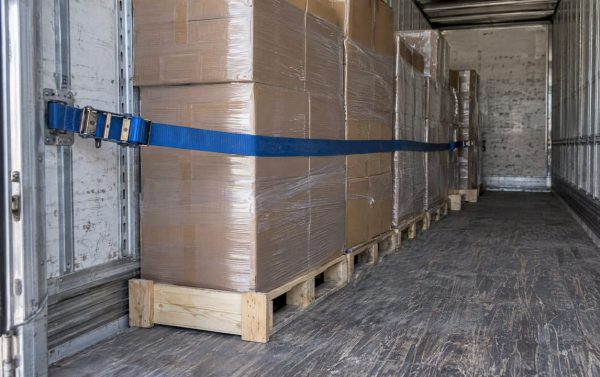
How to prevent cargo and freight damage: the forces shipments face, packaging and pallet rules, blocking and bracing, container loading, and what to do on arrival.
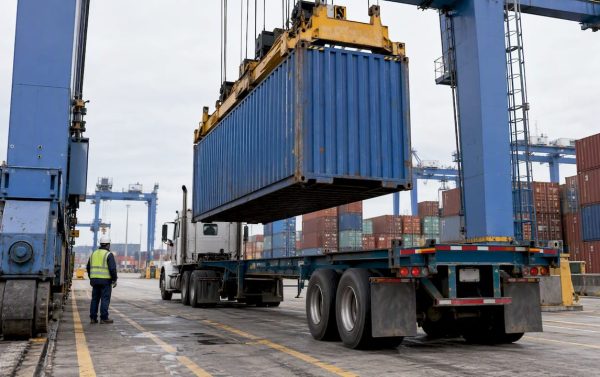
Last free day (LFD) is the date port storage charges start on an import container. Learn how it is set, where to verify it, and how to avoid demurrage.

What a commercial invoice must contain for U.S. customs: required fields, how to describe and value goods, English rules, copies, and export checks by country.
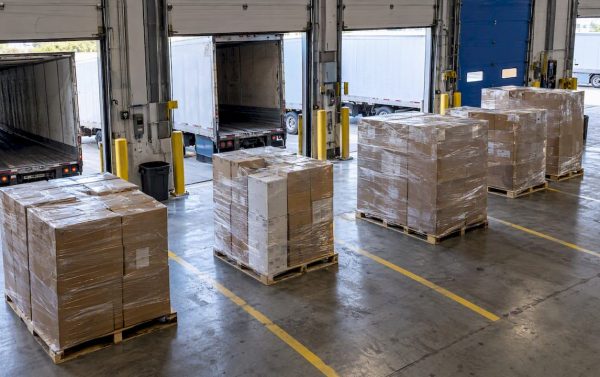
Multi-node fulfillment spreads inventory across several warehouses or stores. Learn how routing works, what it costs, and when it makes sense for your orders.
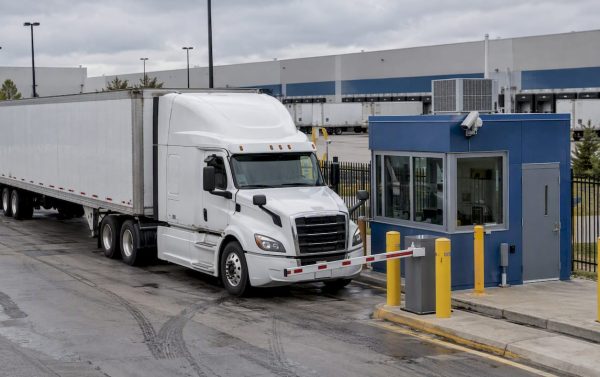
MABD compliance explained: how must-arrive-by windows work, what a miss costs, how to calculate ship-on dates, and how to dispute a chargeback.
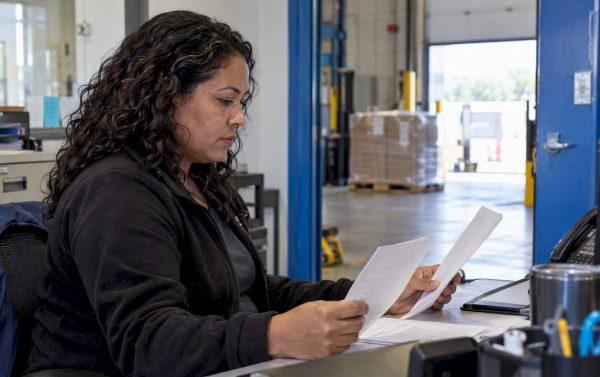
An LTL minimum charge is the floor price a carrier bills however small the shipment is. See how it works, typical ranges, SSMC vs AMC, and how to avoid it.