
White Glove Delivery: When to Use It and How to Choose
White glove delivery is a premium last-mile service that carries an item into your home or business, places it where you want it, assembles it, and hauls away the packaging. Choose it when the item’s value, fragility, or installation complexity makes a curbside drop unacceptable. Merriam-Webster defines “white-glove” as service marked by meticulous care, and in freight, that translates to trained two-person crews, appointment windows, and proof-of-performance photos rather than a driver leaving a crate on your porch.
Key Takeaways
White glove delivery earns its cost when an item’s value, fragility, or installation complexity makes standard curbside drop-off too risky to accept.
| Point | Details |
|---|---|
| Confirm scope in writing | Get a line-item list of what’s included: placement, assembly, packaging removal, and haul-away. |
| Check exclusions before booking | Specialized hookups like propane or wall-mount systems are often excluded from standard service. |
| Set declared value, not weight-based coverage | In-home liability should reflect the item’s real worth, not a per-pound freight rate. |
| Measure twice, including packaging | Report exact dimensions and note stairs, elevators, or tight turns when scheduling. |
| Pick an integrated provider | Usiship pairs warehousing, freight, and white glove final-mile scheduling under one system. |
Table of Contents
- What Does White Glove Delivery Include?
- When Should You Choose White Glove Over Alternatives?
- Which Items and Industries Need White Glove Most?
- How Does White Glove Delivery Actually Work?
- What Does White Glove Delivery Cost?
- How Does Insurance and Liability Work for White Glove Shipments?
- How Do You Prepare Your Home for White Glove Delivery?
- White Glove vs. Curbside vs. LTL Freight: What’s the Difference?
- What Should You Ask Before Choosing a Provider?
- A Provider’s View on What Actually Breaks a White Glove Delivery
- Get a White Glove Delivery Estimate From Usiship
- Frequently Asked Questions
- Sources
What Does White Glove Delivery Include?
A real white glove job covers more than hauling a box indoors. Expect these standard inclusions:
- Room-of-choice placement, not just a drop at the door
- Assembly or installation on-site
- Unboxing and full packaging removal
- Haul-away of old items, where offered
- Stair carries or coordinated elevator handling in multifamily buildings
- Blanket wrapping and padded protection during transit
- Specialty equipment like stair rollers and appliance dollies
- A scheduled appointment window instead of an all-day guess
Scope varies by provider. Retailers commonly exclude specialized hookups, such as propane connections or wall-mounted swing systems, from standard white glove service. Confirm those exclusions before you book, not after the truck shows up.
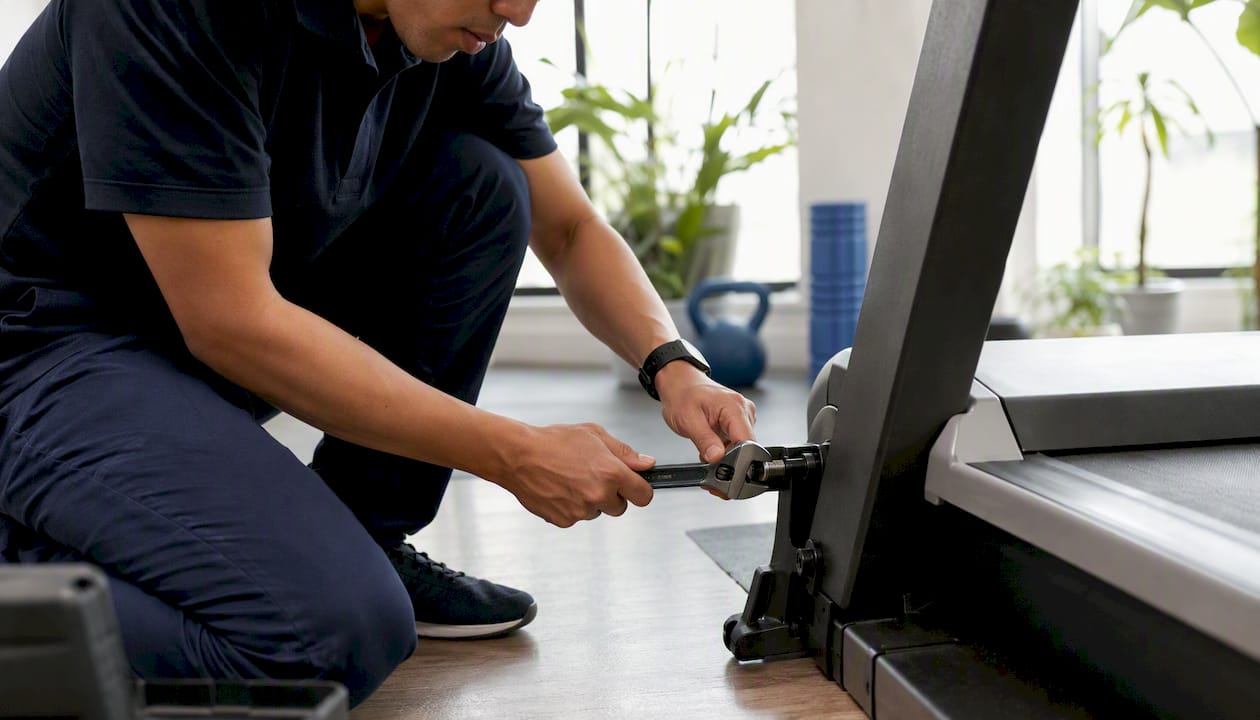
Pro Tip: Ask whether the crew includes post-install calibration, not just placement. A treadmill or smart appliance that’s “installed” but never leveled or connected isn’t finished, and that gap causes more return visits than any other single issue.
When Should You Choose White Glove Over Alternatives?
Run through this quick checklist. If you answer yes to two or more, white glove is worth the premium:
- Is the item worth more than a routine repair or replacement would cost you?
- Could shipping damage make the item unusable (glass, marble, electronics)?
- Does setup require more than one person or basic tools?
- Is there a tight stairwell, narrow hallway, or no loading dock at the site?
- Does the customer or end user expect a finished, ready-to-use result?
If none apply, curbside delivery or standard LTL freight handles it for less. The extra cost buys reduced damage risk and fewer callbacks, not just convenience.
Which Items and Industries Need White Glove Most?
Certain categories almost always call for it:
- High-end furniture, antiques, and custom casegoods
- Large TVs, home theater systems, and server or rack electronics
- Fitness equipment like treadmills, ellipticals, and home gyms
- Major appliances and wine or beverage refrigeration units
- Fine art, sculpture, and gallery pieces
- Medical devices and diagnostic equipment
- Commercial fixtures for retail buildouts and showrooms
Furniture retailers, interior designers, medical equipment suppliers, gym equipment sellers, art galleries, and e-commerce brands moving oversized goods all rely on this tier routinely. Medical devices and certain regulated appliances sometimes require certified technicians, not just careful movers, so ask about credentials before assuming a general crew can handle a clinical unit.
How Does White Glove Delivery Actually Work?
The process runs through a fairly consistent sequence:
- Booking and item profiling: dimensions, weight, fragility, and site access get logged.
- Pickup and staging at a warehouse or hub.
- Transit with blanket wrap and load securing.
- Final-mile appointment scheduling, usually a two-to-four-hour window.
- In-home placement, assembly, and debris removal.
- Proof-of-performance: signature and photo confirmation.
This staged model, described in logistics industry references on white-glove final mile delivery, depends on accurate profiling up front. Typical lead times run one to two weeks from booking to delivery, longer for rural addresses or items awaiting import clearance. Before your date locks in, confirm:
- Truck size and whether it can access your street or loading zone
- Number of technicians assigned to the job
- Whether stair carries are included or billed separately
- Elevator reservation requirements for apartment or office buildings
What Does White Glove Delivery Cost?
Price depends on several variables working together, not one flat rate. The biggest cost drivers are:
- Distance from the warehouse or hub to the delivery address
- Item size, weight, and how many technicians it requires
- Stair carries or difficult access points
- Time actually spent on-site assembling or placing the item
- Special equipment needs, like a piano dolly or crane assist
- Haul-away or packaging removal add-ons
- Upgrades such as climate-controlled transit or expedited scheduling
Most providers structure pricing in tiers. A threshold tier gets the item just inside your door. Room-of-choice adds placement anywhere on the main level. Full white glove adds assembly, unboxing, and packaging removal on top of that. Inbound Logistics notes that this tiered structure lets buyers pay only for the service level a given item actually needs, rather than defaulting to the most expensive option every time.
Ask for a line-item estimate before you commit. A vague quote that just says “white glove included” almost always hides surcharges for stairs, long carries, or after-hours scheduling that show up on the final invoice instead of the estimate.
How Does Insurance and Liability Work for White Glove Shipments?
Standard freight liability is often calculated by weight, which barely covers a lightweight but expensive item like a flat-screen TV or a marble side table. In-home white glove liability should instead be tied to declared value, an amount you set that reflects what the item is actually worth. Confirm this before shipping, not after damage occurs.
If something goes wrong, a solid claims process depends on:
- Photos taken at the moment of delivery, before the crew leaves
- Original packaging retained until you’ve inspected the item fully
- Technician names or ID numbers from the delivery paperwork
- A signed delivery acceptance form noting any visible damage
Ask providers directly about their insurance limits, any deductible on claims, typical claim response time, and whether installation errors (not just transit damage) are covered under the same policy.
How Do You Prepare Your Home for White Glove Delivery?
A few minutes of prep prevents most failed installs:
- Measure doorways, hallways, and the destination room, not just the item itself
- Clear pathways of rugs, furniture, and pets before the crew arrives
- Confirm elevator reservations or loading zone access for apartments and offices
- Note tight turns, low ceilings, or stairwells when you book
- Have an adult present to sign off and inspect the item on delivery
Report exact dimensions, including packaged size, when you schedule. A sofa that measures fine unboxed but won’t clear a stairwell landing in its crate is the single most common cause of a rescheduled delivery. For fragile flooring, ask about protective runners, and for commercial sites, loop in the building manager early so loading dock access isn’t a surprise on delivery day.
White Glove vs. Curbside vs. LTL Freight: What’s the Difference?
Each tier fits a different situation:
- Curbside delivery drops the item at your driveway or door. Fine for boxed, sturdy goods you can move yourself.
- Room-of-choice / inside delivery carries the item indoors but skips assembly.
- LTL freight ships palletized commercial loads to a dock, not a home.
- White glove covers placement, assembly, and packaging removal for fragile or complex items.
Match the tier to the item’s fragility and setup needs, not just its price tag.
What Should You Ask Before Choosing a Provider?
Before booking, ask about insurance limits and the claims process, technician training or certifications, exactly what’s included versus excluded, available scheduling windows, and equipment on hand for oversized items. Ask for references or a documented on-time performance history too.
Look for trust signals: nationwide coverage with local hubs, real-time tracking, photo proof of delivery, and a written scope of work you can hold them to.
Red flags include a vague scope of work, no clear insurance details, refusal to share references, and surprise surcharges that appear only once the truck is already at your door.
A Provider’s View on What Actually Breaks a White Glove Delivery
The single biggest cause of a failed white glove appointment isn’t the crew. It’s a shipment that was never properly profiled before it left the warehouse. Wrong dimensions, an unlisted stairwell, or a missed elevator reservation turns a straightforward job into a rescheduled one. Providers that integrate scheduling with warehousing and freight, rather than treating final-mile as a separate handoff, catch those gaps before the truck ever loads. Usiship’s end-to-end model, which pairs warehousing and staging with final-mile scheduling, is built around exactly that principle.

Get a White Glove Delivery Estimate From Usiship
Usiship handles white glove final-mile the same way it handles the rest of your freight: as one integrated system, not a handoff between separate vendors. That means your item’s dimensions, fragility notes, and access details travel with the shipment from pickup through in-home placement, instead of getting re-entered by a different company at each stage.
If you’re shipping furniture, fitness equipment, or other high-value goods, Usiship’s furniture shipping services pair transport with trained final-mile crews across the U.S. E-commerce sellers managing oversized SKUs can also connect white glove delivery to fulfillment and returns handling under one account. Request a line-item quote or a site survey through Usiship’s main services page to see exactly what your delivery would cost before you commit to a date.
Frequently Asked Questions
What is the difference between white glove delivery and inside delivery?
Inside delivery, sometimes called room-of-choice, carries the item past your threshold and into a chosen room but stops there. White glove adds assembly, unboxing, and packaging removal on top of that placement.
What does curbside delivery mean compared to white glove?
Curbside delivery means the carrier drops the item at your driveway, garage, or front door and leaves. You handle moving it inside, unboxing, and setup yourself, which works fine for sturdy boxed goods but poorly for anything heavy or fragile.
How much does white glove delivery typically cost?
Cost depends on distance, item size, number of technicians, and whether stairs or assembly are involved. Providers usually structure pricing in tiers, from basic threshold delivery up to full white glove with placement and packaging removal, so ask for a line-item estimate rather than a flat quote.
Is white glove delivery worth it for furniture?
For high-end or fragile furniture, yes. A damaged dining table or a scratched hardwood floor from an improperly handled move typically costs more to fix than the white glove premium would have cost upfront.
What is inside delivery freight, and is it the same as white glove?
Inside delivery freight refers to a freight shipment brought past the curb and into a building, often to a specified room, but without assembly or packaging removal. It’s a lighter service tier than full white glove, useful when the item doesn’t need setup, just placement indoors.