Reverse Logistics: A Practitioner’s Guide to Returns and Recovery
Reverse logistics is the process of moving goods from customers or retail points back through the supply chain for return, repair, resale, recycling, or disposal. Done well, it recovers cash from products you’d otherwise write off, keeps merchandise out of landfills, and turns a refund into a reason a customer buys from you again. Done poorly, it becomes one of the largest hidden costs on a retail balance sheet.
This guide walks through what actually counts as reverse logistics, the five operational stages that move a returned item from doorstep to disposition, and the metrics and tactics that separate programs that lose money from ones that recover it. Specifically, expect answers to:
- What reverse logistics includes and where its boundaries sit
- The main types of reverse flows and how to handle each
- The five-stage process model, step by step
- Financial and environmental payoffs you can put in a business case
- Where these programs break down and how to fix them
Key Takeaways
Reverse logistics succeeds when fast grading, smart disposition routing, and integrated data work together to recover value that would otherwise be written off.
| Point | Details |
|---|---|
| Define your scope | Reverse logistics covers returns, recalls, refurbishment, unsold goods, and end-of-life recovery, not just refunds. |
| Master the five stages | Initiation, receiving, disposition, recovery, and final accounting each need distinct SOPs and speed targets. |
| Measure recovery rate | Track the percentage of a returned item’s value reclaimed through resale, refurbishment, or recycling. |
| Fix data silos first | Disconnected ERP, WMS, and customer service systems undermine every other reverse logistics improvement. |
| Consider an integrated partner | Usiship maps warehousing, returns processing, fulfillment, and customs clearance to reverse logistics needs at scale. |
Table of Contents
- What Does Reverse Logistics Actually Cover?
- The Main Types of Reverse Logistics You’ll Encounter
- How the Reverse Logistics Process Works, Step by Step
- What Reverse Logistics Actually Returns to Your Bottom Line
- Where Reverse Logistics Programs Break Down
- Practical Tactics That Improve Recovery and Speed
- What Real Reverse Logistics Programs Look Like in Practice
- Where To Focus First If You’re Building This Out
- Getting Reverse Logistics Right Without Building It From Scratch
- Sources
What Does Reverse Logistics Actually Cover?
Reverse logistics covers every activity that moves a product backward through the supply chain after it’s reached a customer or retail shelf, including customer returns, warranty repairs, product recalls, refurbishment, end-of-life recycling, and unsold inventory sent back from stores. It stops where the item either re-enters usable inventory, gets sold through a secondary channel, gets recycled into raw material, or gets destroyed and written off. Anything before that point, like inbound freight or forward-order fulfillment, belongs to the forward supply chain instead.
People often use “reverse logistics,” “reverse supply chain,” and “returns management” interchangeably, but they aren’t quite the same thing. Returns management is the narrowest of the three: the policies, portals, and workflows specifically for customer-initiated returns. Reverse logistics is broader. It includes returns management but also covers recalls, lease-end equipment recovery, and manufacturer take-back programs. Reverse supply chain is the widest term, encompassing reverse logistics plus the strategic network design decisions, like where refurbishment centers sit and how secondary markets get sourced, that determine whether recovered goods find a profitable second life.
Here’s how the boundary typically plays out in a retail or manufacturing operation:
- Customer returns — items sent back for refund or exchange, whether from ecommerce or in-store purchases
- Warranty and repair returns — products sent in for fixing, not resale, under a service agreement
- Product recalls — safety or quality-driven withdrawals mandated by a manufacturer or regulator
- Unsold inventory returns — seasonal or excess stock sent back from retail partners to a distributor or manufacturer
- End-of-lease or end-of-life recovery — equipment returned at contract end for refurbishment, resale, or recycling
Businesses tend to keep the initial receiving and inspection in-house because it requires proximity to the customer or retail network, but outsource grading, refurbishment, and secondary-market resale to specialists who already have the channels and volume to make it profitable. The math changes with scale: below a few hundred returns a week, a third-party partner is almost always cheaper than building dedicated infrastructure.
Pro Tip: If you’re not sure whether an activity counts as reverse logistics, ask whether the product’s ownership or condition status changes hands. If it does, it’s in scope.
Return rates vary sharply by channel and category, and ecommerce returns run meaningfully higher than in-store purchases, which is part of why reverse logistics has become a board-level topic rather than a back-office afterthought over the past decade.
The Main Types of Reverse Logistics You’ll Encounter
Not every returned item needs the same treatment, and treating them all the same is one of the fastest ways to bleed margin. Here’s how the major categories break down:
- Refund and exchange returns: The most common type in retail and ecommerce, triggered by size issues, buyer’s remorse, or a product that didn’t match expectations. These need fast grading and a quick decision on whether to restock, discount, or liquidate.
- Refurbishment and remanufacture: Electronics, appliances, and industrial equipment often get disassembled, repaired, and recertified before resale. This category demands technical inspection capacity most standard returns desks don’t have.
- Unsold goods returns: Seasonal apparel, holiday merchandise, and overstock that retailers send back to distributors or manufacturers under buy-back agreements. Volume spikes predictably by calendar, which makes staffing easier to plan than customer returns.
- Repairs under warranty: The item goes back out to the same customer, so speed and communication matter more than resale value.
- Recycling and end-of-life disposal: Products too damaged or obsolete to resell get broken down for materials recovery or responsibly discarded.
- Lease returns: Common in equipment, vehicles, and B2B technology, these come back on a predictable schedule and usually need refurbishment before the next lease cycle.
Ecommerce changes this mix considerably. In-store returns get inspected at the point of return, often by the same associate who made the sale, so grading happens almost instantly. Online returns arrive at a centralized facility days later, frequently without the original packaging, which slows inspection and increases the odds an item gets miscategorized as damaged when it’s actually resellable.
The tell that a category needs different handling isn’t volume. It’s variability. A steady stream of size-exchange returns can run through a simple rules engine. A stream of refurbishment candidates with inconsistent damage levels needs human judgment and, often, a completely separate physical workflow from the general returns dock.
How the Reverse Logistics Process Works, Step by Step
Reverse logistics runs on five operational stages, and most programs that underperform are failing at one specific stage rather than the whole system. Here’s the sequence:
- Initiation: The process starts when a customer requests a return, a recall gets issued, or a store flags unsold stock. The initiation stage is governed by policy: your return window, your eligibility rules, and whether the customer books the return through a self-service portal or a call center. Gatekeeping happens here too. Smart policies flag likely serial-return abuse or fraud before a label ever gets issued, without slowing down the 95% of customers making a legitimate request.
- Receiving and inspection: Once the item arrives, it gets scanned, graded, and assigned a condition code, commonly a simple A/B/C/D scale where A means resellable as new and D means scrap only. Grading speed at this stage determines almost everything downstream. A slow inspection queue means inventory sits unsellable for days while its resale value quietly erodes.
- Disposition decisioning: This is where a disposition engine, whether a dedicated software platform or a documented rules table, decides the item’s next stop. Intelligent dispositioning routes returned inventory to its most profitable next home, whether that’s the original retail channel, a discount outlet, a refurbishment queue, a donation partner, or recycling.
- Recovery: Items flagged for refurbishment or repair enter this stage, where technicians clean, repair, or harvest usable parts. Parts harvesting matters more than most retailers realize. A single damaged product can yield several sellable components even when the whole unit isn’t resalable.
- Final disposition and accounting: The item lands in its final state. Restocked into forward inventory, sold through a secondary channel, recycled for materials, or written off as a loss. This stage closes the loop financially, and it’s the one most often handled sloppily, because it requires syncing data across warehouse management, finance, and customer service systems that weren’t built to talk to each other.
Pro Tip: Track how many hours elapse between stage 2 and stage 3 for every returned item. That single number, often called disposition velocity, predicts your recovery rate better than almost any other metric because faster processing directly increases the odds an item gets restocked at full price instead of getting marked down after sitting in a queue.
What Reverse Logistics Actually Returns to Your Bottom Line
The financial case for investing in reverse logistics rests on a handful of measurable levers, not vague goodwill about sustainability. Start with recovery rate: the percentage of a returned item’s original value you actually reclaim, whether through resale, refurbishment, or materials recovery.
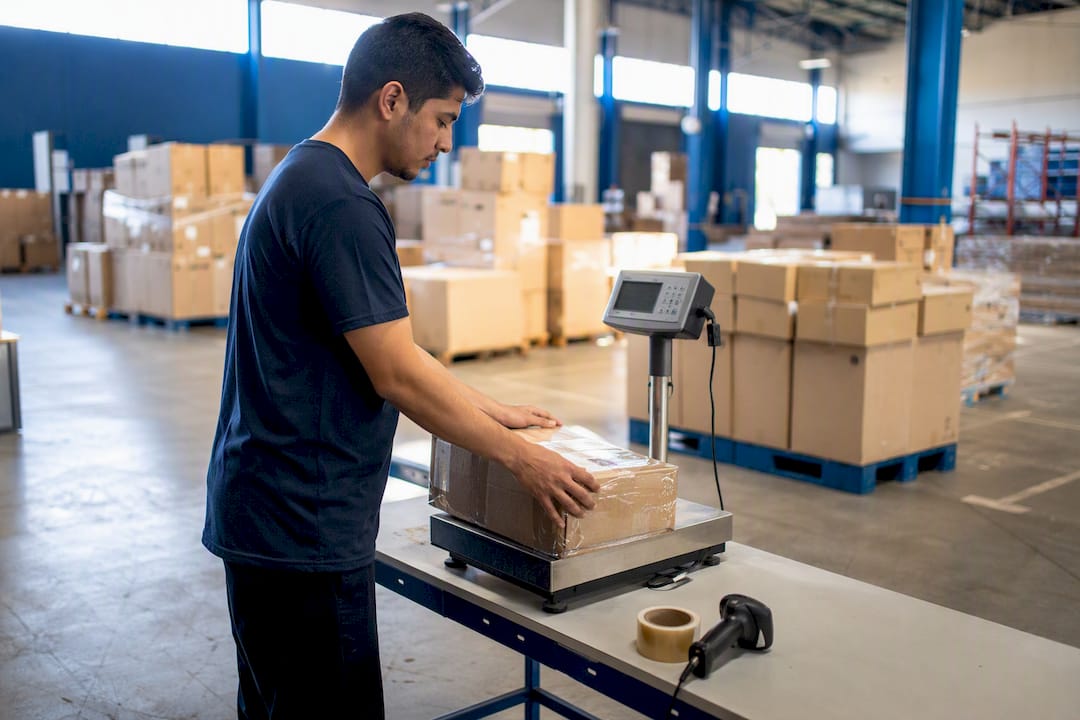
The scale of the problem explains why this matters. Return-related costs in US retail have been estimated in the hundreds of billions of dollars annually, driven largely by ecommerce growth. That’s not a rounding error on a P&L; it’s often one of the largest uncontrolled cost centers in a retail operation, and it’s uncontrolled precisely because so few companies measure it with the same rigor they apply to forward logistics.
Here’s where the recoverable value actually comes from:
- Consolidation savings: Routing returns through regional hubs instead of shipping every item back to a single national center cuts transportation cost and speeds up grading.
- Faster disposition cycles: Shrinking the time between receiving and reselling preserves resale value that erodes daily on depreciating categories like electronics and apparel.
- Customer retention: A transparent, fast return experience keeps customers buying, while a slow or confusing one drives them to a competitor’s site next time. Well-run reverse logistics programs improve customer loyalty through transparent return experiences, which is a retention lever most finance teams underweight when building the business case.
- Environmental and ESG value: Every unit diverted from landfill toward resale or recycling reduces disposal costs and supports sustainability reporting, an increasingly common requirement in vendor scorecards and investor disclosures. The EPA’s materials and waste data is a useful benchmark when quantifying how much diversion your program achieves.
The strongest business case combines all four. A single lever, say, faster disposition alone, moves the needle. Stacking consolidation, speed, and smarter dispositioning on top of each other is what turns reverse logistics from a cost center into something closer to a recovery engine.
Where Reverse Logistics Programs Break Down
Most reverse logistics failures trace back to a handful of repeat offenders, and they’re rarely about the returns themselves.
- Data silos: When your ERP, warehouse management system, and customer service platform don’t share real-time data, a return can get received in the warehouse while customer service still tells the shopper it’s “in transit.” That mismatch erodes trust and creates duplicate refunds when nobody can see the full picture at once.
- Underestimated handling costs: Companies budget for the shipping label back but forget inspection labor, repackaging, restocking fees, and the opportunity cost of capital tied up in inventory sitting in a disposition queue. Transportation is often the smallest line item in the true cost of a return.
- Seasonal volume spikes: Returns following major shopping periods can hit two to three times normal volume within a two-week window, and warehouses staffed for average daily flow simply can’t grade fast enough. That backlog is exactly what erodes resale value, since a delayed item competes against fresher season inventory by the time it’s finally cleared for resale.
- Fraud and abuse: Wardrobing, where a customer wears an item and returns it, and return fraud more broadly can quietly eat into margin if gatekeeping rules aren’t sharp enough to catch patterns without punishing legitimate customers.
- Over-aggressive gatekeeping: The flip side of fraud prevention is a returns policy so restrictive it frustrates honest customers and drives them away from repeat purchases.
Pro Tip: Run a quarterly reconciliation between what your WMS says was received and what your finance system says was refunded. Even a small gap, if it’s consistent, usually points to a data integration problem worth fixing before it compounds. This kind of siloed data between systems is a common and underrated cause of degraded audits and customer visibility.
Practical Tactics That Improve Recovery and Speed
The tactics that move the needle most aren’t exotic. They’re disciplined applications of rules, routing, and partnerships that most programs simply haven’t formalized yet.
- Rules-based returns portals: Self-service portals that apply eligibility and routing logic automatically cut labor cost and give customers instant answers instead of a call-center queue.
- Intelligent dispositioning: A well-tuned disposition engine, whether custom-built or licensed, sends each item to its highest-value next home instead of defaulting everything to the same discount channel. This send-to-best-home approach both increases recovery and cuts unnecessary cross-country freight that would otherwise ship a returned item across the country for a markdown it could’ve gotten locally.
- Boxless returns and BORIS: Letting customers drop off unboxed returns at a retail location or shipping partner, and enabling Buy Online Return In Store, both reduce packaging waste and speed up the receiving cycle since items reach a processing point faster than mail-in returns.
- Regional consolidation hubs: Aggregating returns by geography before shipping them to a central refurbishment or resale facility lowers handling cost and accelerates return velocity compared to shipping every single item back to one national center.
- 3PL and returns specialist partnerships: When evaluating an outside partner, look past price to their SLA on turnaround time, the granularity of their reporting, and the accuracy of their disposition decisions. Providers running dedicated returns management platforms often report meaningfully faster receiving and higher recovery rates than manual, in-house processing.
| Point | Details |
|---|---|
| Portal-first intake | A rules-based returns portal cuts labor cost and gives customers instant eligibility answers. |
| Disposition engine | Routing returns to their best next home increases recovery and reduces cross-country freight. |
| Regional consolidation | Grouping returns by geography before central processing speeds grading and lowers transport cost. |
| 3PL evaluation | Judge a returns partner on SLA turnaround, reporting detail, and disposition accuracy, not just price. |
What Real Reverse Logistics Programs Look Like in Practice
Nike’s Rebound program is one of the more visible examples of reverse logistics at industrial scale. The facility processes thousands of returned shoes daily, grading each pair and routing it toward refurbishment, resale, or material recovery rather than a landfill. It’s proof that even complex, highly variable products like footwear can run through a disciplined disposition system at volume.
The lesson from large-scale refurbishment operations isn’t the scale itself. It’s that grading discipline and fast disposition decisions are what make recovery at any volume possible.
For businesses handling ecommerce returns, warranty repairs, or bulky items like furniture that need special handling, the operational pieces map closely to services most integrated logistics providers already run: warehousing and returns processing, omnichannel fulfillment, and last-mile delivery. Contacting an integrator makes sense once return volume outpaces your team’s ability to grade and disposition items within a few days.
Where To Focus First If You’re Building This Out
The two priorities I’d tackle before anything else are data integration and a disposition pilot. Most reverse logistics failures aren’t strategic; they’re plumbing problems. Your WMS, ERP, and customer service platform need to agree on what’s happened to an item in near real time, or every other improvement you make sits on a shaky foundation.
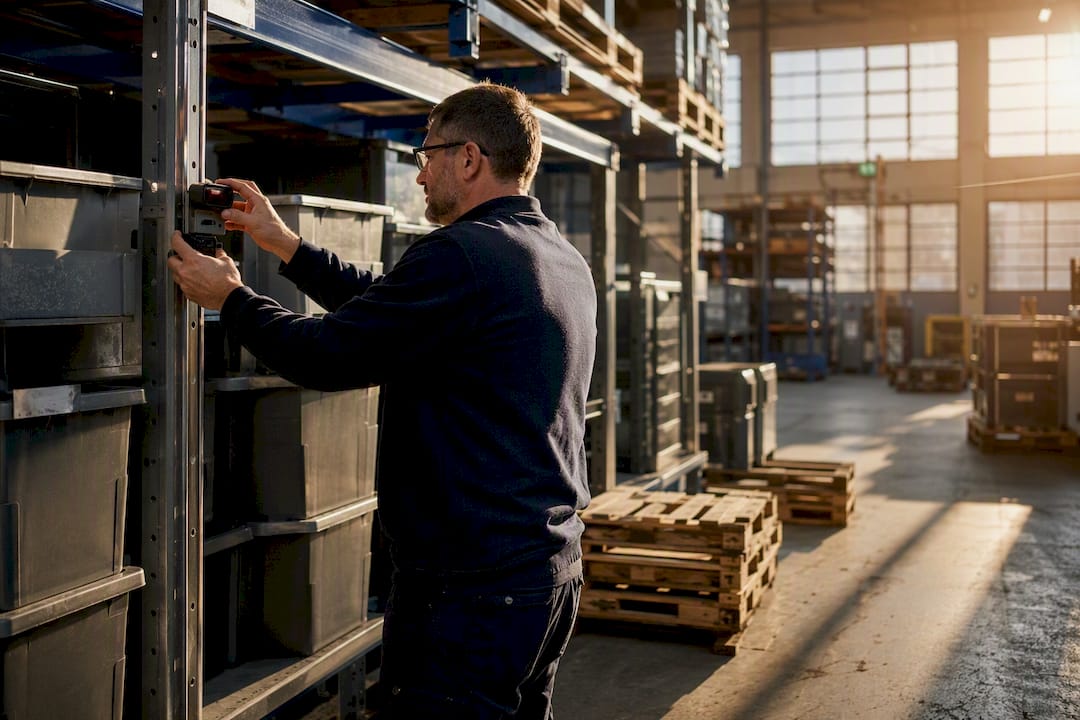
Start a disposition pilot on one category, ideally your highest-volume, lowest-complexity return type, before trying to overhaul the whole operation at once. You’ll learn more from getting the rules right on a narrow slice of volume than from a company-wide rollout that stalls on edge cases.
Looking ahead, I think returns-as-a-service models and tighter circularity, refurbishment and resale replacing straight liquidation, will keep gaining ground as margin pressure pushes retailers to treat recovered inventory as revenue rather than waste. Automation in grading and dispositioning will accelerate that shift, but the fundamentals stay the same: fast inspection, smart routing, and clean data underneath it all.
— Akbar
Getting Reverse Logistics Right Without Building It From Scratch
Most companies don’t need to build a returns operation from the ground up. They need a partner who already runs the pieces: receiving, grading, restocking, and getting items back into a sellable channel fast enough that the value doesn’t evaporate in a queue. That’s the gap Usiship fills for ecommerce sellers and retailers who’d rather focus on selling than on managing a returns dock.
Usiship handles returns processing alongside warehousing and ecommerce fulfillment, so returned inventory gets received, graded, and routed back into your sales channel without bouncing between disconnected systems. For bulky or specialty items like furniture, dedicated handling capabilities mean returns don’t sit in a general dock waiting for someone with the right expertise. And when reverse flows cross borders, licensed customs brokerage keeps dispositioned inventory moving instead of stuck at a port.
If your return volume has outgrown a manual process, request a returns pilot assessment at Usiship and find out where your recovery rate could improve.