
Drayage Explained: What Supply Chain Managers Need to Know
Drayage is the short-distance truck movement of shipping containers between ports, rail ramps, and nearby warehouses or distribution centers, typically within a 15–50 mile urban radius. Get it wrong, and you’re looking at demurrage fees, missed pickup windows, and containers sitting idle at terminals like the Port of Los Angeles or the Port of New York/New Jersey while costs compound by the day.
Table of Contents
- What does drayage actually cover, and what are the main types?
- How drayage fits into the intermodal supply chain
- Key Takeaways
- The part of drayage most logistics teams underestimate
- How Usiship handles drayage complexity for you
- Useful sources for further reading
What does drayage actually cover, and what are the main types?
Merriam-Webster defines drayage as both the act of hauling goods a short distance and the fee charged for that service. That dual meaning matters: when your invoice shows a drayage line item, it’s the charge, not just the movement.
The geographic scope is tighter than most people assume. Moves typically stay within a single metro area, usually that 15–50-mile radius from the port or intermodal terminal. Anything beyond that starts looking more like a standard truckload move.
Marine/port drayage vs. domestic drayage is the distinction that trips people up most often. Marine drayage means the cargo stays inside the original ocean container for the entire short-haul move. Domestic drayage, often paired with transloading, means the cargo gets transferred from a marine container into a 53-foot domestic trailer. Transloading adds labor and time, but it makes sense when the marine container isn’t optimized for long domestic highway runs or when you need to consolidate freight.
Cambridge Dictionary also notes that the term appears outside port contexts, including trade shows and mall deliveries, where exhibitors pay drayage to move freight from a loading dock to a booth.
The four common subtypes, as project44 summarizes:
| Type | What it covers | Quick example |
|---|---|---|
| Port/pier drayage | Container moves from marine terminal to nearby warehouse | Pulling an import box from the Port of Long Beach to a Compton DC |
| Rail drayage | Container moves between rail ramp and warehouse/port | Transferring a box from a BNSF ramp to a Chicago distribution center |
| Inter-carrier drayage | Transfer between two carriers at the same terminal | Moving a container from one steamship line’s yard to another’s |
| Shuttle drayage | Short repositioning moves within a terminal or between nearby yards | Shifting an empty container to a chassis pool |
How drayage fits into the intermodal supply chain
The standard flow looks like this: ocean vessel arrives at port → terminal unloads containers → drayage carrier picks up the box → delivers to rail ramp, warehouse, or distribution center → final-mile carrier takes over. Drayage is the handoff. It’s a short leg, but it’s the one that determines whether everything downstream runs on schedule.
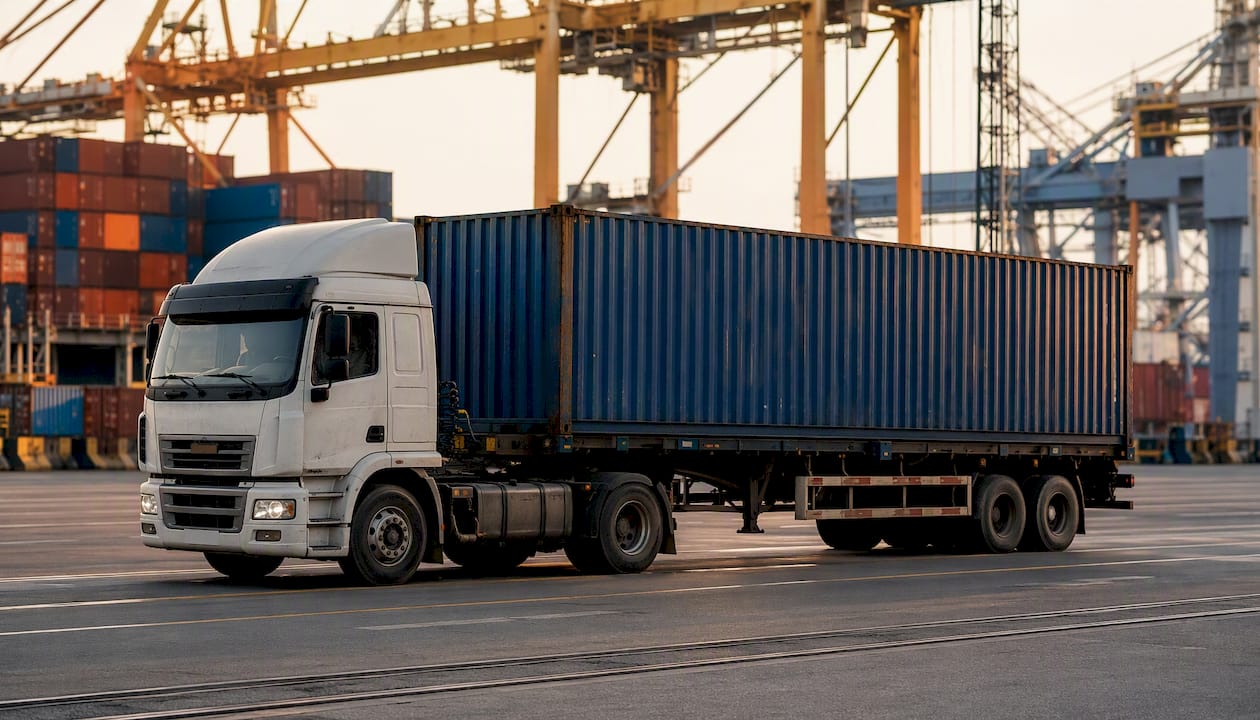
Timing is where the exposure lives. Forbes has noted that short-haul delays in intermodal networks create outsized disruptions across the broader system. A container that sits two extra days at the terminal because a drayage appointment was missed doesn’t just cost a demurrage fee. It delays the warehouse receiving window, pushes back inventory replenishment, and can cascade into stockouts for a retailer running lean.
Demurrage and detention are the two financial penalties that make drayage timing so consequential. Demurrage accrues when a container stays at the terminal past the free time the ocean carrier allows. Detention accrues when the carrier’s equipment (chassis or container) is held at a shipper or consignee location beyond the agreed window. Both fees can exceed the cost of the drayage move itself on a bad week.
Landed cost and cycle time both feel the pressure. A drayage operation that runs consistently, hits appointment windows, and returns equipment on time keeps inventory turns healthy. One that doesn’t turns a short-haul move into a margin problem.
Key Takeaways
Drayage is the short-haul container move that connects ports and rail ramps to warehouses, and controlling its cost requires managing appointments, chassis availability, and accessorials before the truck ever rolls.
| Point | Details |
|---|---|
| Definition and scope | Drayage covers container moves within a 15–50 mile urban radius between ports, rail ramps, and warehouses. |
| Core cost drivers | Port congestion, chassis shortages, limited credentialed drivers, and missed appointments push costs well above what mileage alone would suggest. |
| Regulatory requirements | CARB compliance and valid TWIC cards are non-negotiable for California ports and all secure terminal access in the U.S. |
| Immediate cost controls | Book appointments proactively, confirm chassis and customs release before dispatch, and negotiate accessorial caps in carrier contracts. |
| Usiship as your drayage partner | Usiship integrates drayage coordination with customs clearance, warehousing, and carrier management to reduce accessorials and container dwell time. |
The part of drayage most logistics teams underestimate
Most supply chain managers focus on ocean freight rates and final-mile delivery. Drayage sits in the middle, short in distance and easy to treat as a commodity. That’s the mistake.
The real cost of drayage isn’t the base rate. It’s the accumulation of accessorials on lanes where no one is watching closely. A chassis fee here, a detention charge there, a redelivery because the warehouse was closed. None of these feel significant individually. Together, they can add 30–50% to the cost of a move that looked cheap on the original quote.
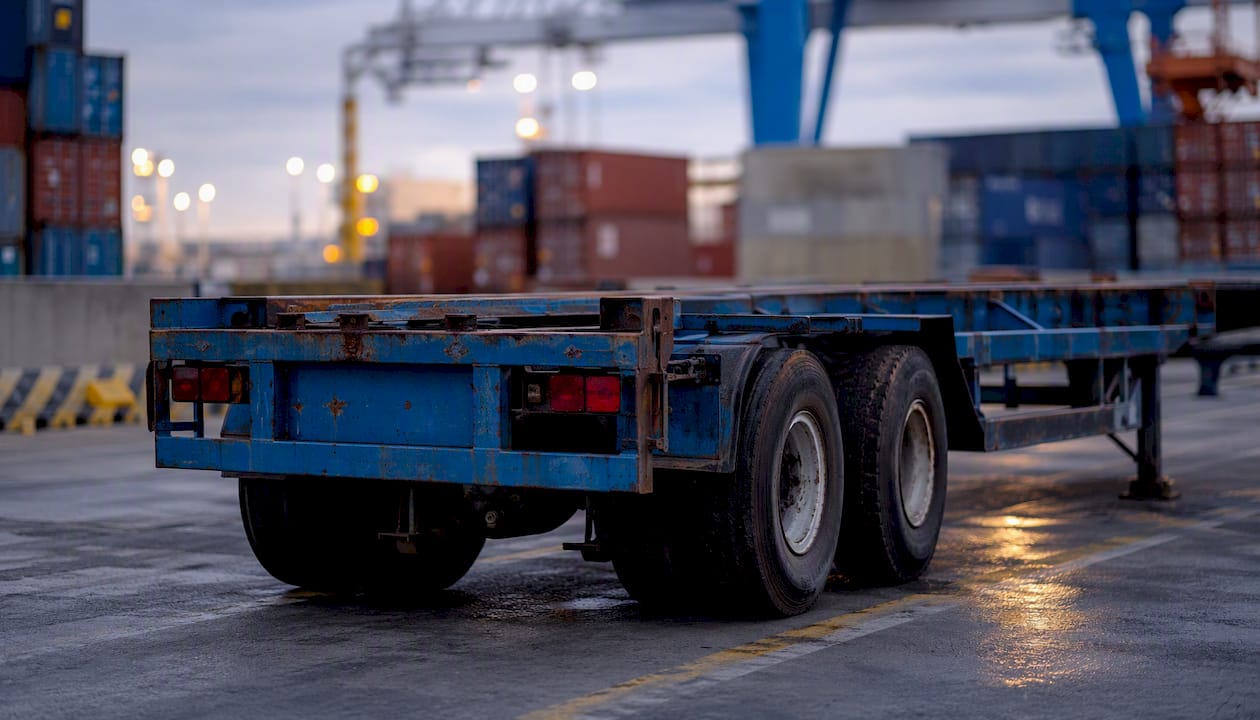
The fix isn’t complicated. It’s discipline: appointment compliance, chassis confirmation, and a quarterly carrier scorecard. Teams that run even a basic 15-minute lane audit, checking appointment compliance, chassis plan, and detention exposure, consistently find that a small number of lanes generate the majority of accessorial spend. Fix those lanes, and the savings show up immediately.
The regulatory piece deserves more attention than it gets outside California. CARB rules are the most visible, but port-specific emissions programs and TWIC requirements affect carrier availability at every major U.S. terminal. A carrier that’s compliant in Houston may not be cleared to operate at the Port of Oakland. Verify before you book, not after a container sits waiting for a replacement driver.
Drayage is where intermodal logistics either holds together or falls apart. Treat it like the critical link it is.
How Usiship handles drayage complexity for you
Drayage coordination involves appointment systems, chassis management, customs timing, and carrier compliance, all running in parallel. When any one of them slips, the costs land on your invoice.
Usiship’s logistics transportation services connect drayage coordination directly with customs clearance and warehouse receiving, so the three moving parts that cause most accessorial charges are managed together, not in separate silos. That integration means your container doesn’t sit at the terminal waiting for a customs release your warehouse team didn’t know was pending.
For importers and ecommerce businesses moving containers through U.S. ports, Usiship covers carrier coordination, chassis planning, appointment booking, and documentation across all 50 states. Ask about port coverage, chassis strategy, and how accessorial disputes are handled. Those three questions separate integrated providers from brokers who hand off the problem. Get a quote at usiship.com and see how Usiship fits your current port lanes.
Useful sources for further reading
- Drayage
- What is drayage in logistics? | project44
- What is drayage? Understanding the basics, benefits, and best practices
- DRAYAGE Definition & Meaning – Merriam-Webster
- DRAYAGE | English meaning – Cambridge Dictionary
- Forbes: Intermodal logistics article
- Bloomberg glossary
- UT Austin transport center research report